

What is MdDS?
Most travellers have felt brief “sea legs” after a boat or flight. For some, that feeling doesn’t switch off. Mal de Débarquement Syndrome (MdDS) is the name for ongoing rocking, swaying or bobbing that continues for weeks or months after motion often a cruise, long-haul flight, or even a long car or train trip. Unlike BPPV or classic vertigo, MdDS is usually continuous rather than coming in short bursts, and it can touch every part of daily life.
Your experience is real even when scans or hearing tests are “normal.” MdDS is best understood as a nervous system that adapted to constant motion and then struggled to re-adapt to land. Stress, fatigue and over-monitoring can keep the “motion volume” turned up.
Common Experiences
People with MdDS often describe:
Rocking, swaying or bobbing, as if still on a boat
Fatigue, low stamina, or needing more recovery time
Brain fog, slower thinking, trouble concentrating
Headaches or migraine features (light/sound sensitivity)
Anxiety, low mood, frustration, or feeling misunderstood
Feeling worse when standing still, sometimes easier during passive motion (e.g., being a car passenger)
It can feel like being “trapped in a moving world.” You’re not alone and you’re not imagining it.
Why it can stick around
After prolonged motion, your brain smartly learns a “moving baseline.” Back on land, it may keep predicting motion, and the body’s alarm system stays on guard. You feel unsteady → you brace and watch for it → the alarm gets louder. The way out isn’t pushing harder or avoiding life; it’s gentle retraining teaching your system, step by step, that land is safe again.
Our Approach (Mind–Body Support, Not Physio or Medical Care)
We don’t diagnose, prescribe, or do vestibular manoeuvres. We work alongside your GP/ENT/neurologist/vestibular physio by supporting the emotional, psychological and nervous-system patterns that keep MdDS loud.
What sessions can include:
Education & reassurance
Clear, plain-English explanations of MdDS and how stress, fatigue and attention can amplify sensations—so fear drops and confidence grows.
Psychotherapy & hypnotherapy
Gentle, skills-based work to soften catastrophising, hyper-vigilance and bracing; rebuild trust in movement, visuals and daily routines.
Breathwork & nervous-system regulation
Practical tools (longer exhales, soft-gaze drills, pacing, wind-down rituals) that turn the body’s alarm down and support steadier balance.
Supportive counselling
A safe, validating space to process frustration and isolation, plan conversations at work/home, and set doable, compassionate goals.
Mind-body strategies
Stepwise, repeatable practices short outdoor walks, eyes-open balance moments, bite-size visual exposure, sleep/nutrition anchors, light strength that build steadiness without all-or-nothing crashes.
We prioritise tiny wins you can repeat tomorrow. Small, steady steps re-map the system faster than heroic pushes or total avoidance.
Triggers & everyday supports
Common load-builders include poor sleep, long screen sessions, stress, heat, skipped meals, dehydration, and sensory overload. We’ll help you test simple tweaks without rigid rules so you learn which levers matter most for you and build a personal flare plan you can rely on.
How We Complement Medical Care
- Please see a GP/ENT/neurologist for assessment and medical options (some people try medications or vestibular rehabilitation).
- We align our mind–body support with your medical plan so your system learns safety + life re-entry together.
- Our role: break the anxiety symptom loop, rebuild trust in your body, and increase resilience so spikes become practice windows, not setbacks.
What Progress Looks Like
- More moments of stillness in a standing queue or kitchen
- Supermarkets/screens shift from overwhelming → manageable → boring
- Shorter recovery after busy days; fewer white-knuckle episodes
- Confidence returning in work, social time, driving and travel
Sessions & booking
In-person in Brisbane
Start with a free 30-minute consult to map your next steps
Online Australia-wide & internationally
We Care About Our Customers Experience Too
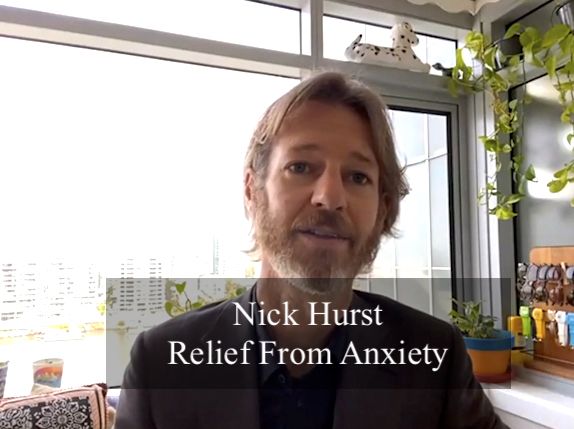
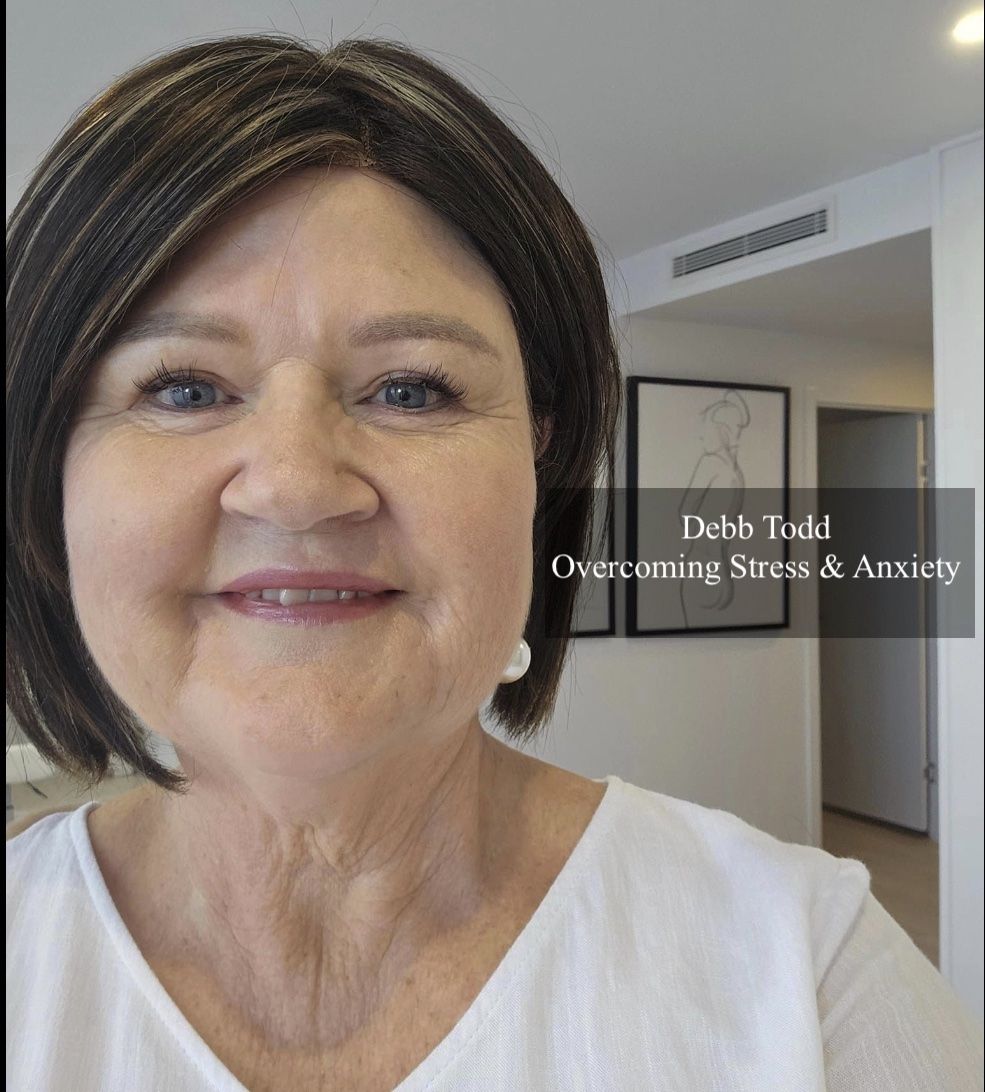
Working with Riaz has been absolutely transformational. He is kind, with a heart of gold. He helped me navigate through my childhood trauma and he gave me a road map to healing
Relief from Dizziness
A life-changing experience.
You can feel the change from the first session.
Highly recommended.
Frequently Asked Questions!
What’s the difference between vertigo and dizziness?
Is dizziness dangerous?
Once a clinician has ruled out urgent causes, the sensations are usually uncomfortable, not unsafe. They feel dramatic because the balance/threat system is loud. When a wave hits: pause, feel your feet, pick one steady object to look at, and breathe out longer for 60–90 seconds. Let it pass like a swell in the ocean. Then gently continue what you were doing.
Will panic attacks ruin my progress?
No. They’re intense but temporary—like a thunderstorm. When one hits, name it: “My body alarm is loud, but I’m safe.” Sit or stand with support, look at a still object, and ride the wave with longer exhales. When it settles, do one small, normal action (wash a cup, step outside). That teaches your brain you don’t have to hide from life.
Should I join dizziness forums?
Community can help but choose carefully. Spaces that collect worst-case stories can spike fear and compulsive checking. Look for solution-focused groups where wins are shared, progress is measured in tiny steps, and people talk about living not just symptoms. A practical rule: if you leave the forum more anxious than you entered, unfollow for a month. Replace scrolling with five minutes of skill practice or a text to a supportive friend. Curate your inputs like your diet.
How long does recovery take?
It varies. Some feel meaningful change in weeks, others over months. What predicts faster progress? Consistency over intensity, tiny daily exposures, process focus, and kinder self-talk. What slows it? All-or-nothing goals, constant body-checking, and waiting to “feel ready” before living. Compare only with yesterday-you. If you’re doing the right things, improvement can be sneaky: more normal moments, longer stretches of “forgetting,” fewer meltdowns after busy days. Those are the real markers.